News & Stories Contact Us
1869

Wyoming Recognizes Women's Suffrange

The Vote That Changed Wyoming

A bill introduced by William Bright to the first Wyoming territorial legislature passed in 1869, recognizing women’s right to vote, free from restrictions such as property ownership, monetary requirements, or marital status requirements.

“One stipulation included in the bill was that women had to either be naturalized citizens or swear an oath that they were seeking citizenship. This would have excluded Chinese immigrants as well as Native American women, who were not considered citizens until 1924. According to census data, there were 10 Black women over the age of 21 in Wyoming at the time. These Black women would have been eligible to vote. Read more from Blackpast.org.

There are many opinions as to why this bill was passed. WyomingPBS, in partnership with Caldera Productions, attempt to address these varying opinions in the documentary “The State of Equality.”

Find out more about this historic day by reading It All Began in Wyoming and Right Choice, Wrong Reasons.

1870

First Women Jurors and Bailiff in Wyoming

Three months after the Wyoming Territorial Legislature recognized women’s rights to vote and hold office, women were called to serve on a grand jury—the first time in history.

Martha Symons Boies was selected to act as a bailiff for that same grand jury, the first woman in history to serve in such a judicial position.

To learn more, click here.

Pictured below: Agnes Chase Baker, Eliza Stewart Boyd, Amelia Hatcher Heath, I.M. Hartsough, Sarah W. Pease, Martha Symons Boies

Not pictured: Jane Hilton, Mary Jane Mackle and Mrs. Annie Monaghan.

Bois 150x200 1 Sarah W Pease 150x200 1 IM Hartsough 150x200 1 Amelia Hatcher Heath 150x200 1 Elizabeth Steward Boyd 150x200 1 Agnes Chase Baker 150x200 1
1953 & 1955

First Woman to Serve as Wyoming State Treasurer and First Woman to Serve as Wyoming State Auditor

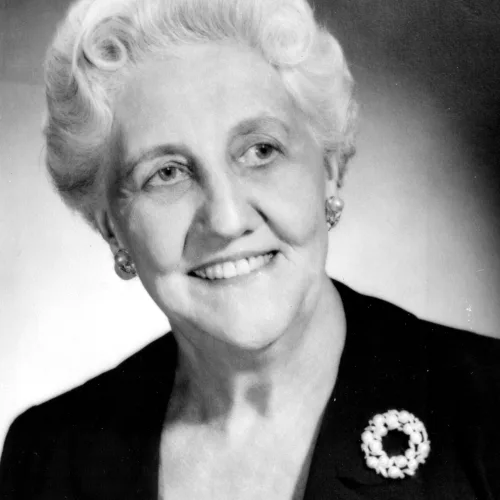
Minnie Mitchell was appointed Wyoming’s first woman State Treasurer in 1952 to fill the unexpired term of her late husband, J.R. Mitchell. She was later elected State Auditor and served three terms before retiring as State Treasurer in 1971. Prior to her public service, she was the first teacher in the then newly established town of Arminto.

Explore various records related to Minnie Mitchell’s career in public office, Wyoming politics, and items of personal interest to Ms. Mitchell, in the Minnie A. Mitchell Collection held in the Wyoming State Archives.